
Proton VPN Review 2026: Security First, From the Creators of Proton Mail
Proton VPN comes from the same team that built Proton Mail, the encrypted email service, and that pedigree shows. Security, privacy, and transparency aren’t marketing bullet points here so much as the reason the product exists. It’s based in Switzerland, a genuine privacy haven, and every app is open source. That combination pulls in users who care more about trust than flashy extras. For 2026, the thing to figure out is whether it holds up on speed and day-to-day usability, or whether it leans security-first at the expense of everything else.
There’s a free tier and a paid one. The free plan is Proton’s attempt to make privacy accessible to people who can’t or won’t pay for it, and the paid plans add the features and performance needed to compete with the other big names.
How this review was put together: we tested Proton VPN’s free plan ourselves on 9 October 2026 on a Windows 11 laptop in Sydney (results and screenshots below). The rest of this review relies on Proton’s documentation, its published independent audits and the sources we link to.
The Short Version:
- Excellent Security & Privacy: Switzerland-based, fully open-source apps, strong encryption, and extras like Secure Core (their MultiHop setup) and Tor over VPN for when you need to go further.
- Verified No-Logs Policy: Independently audited — not just a claim on a webpage.
- Built for Speed: WireGuard plus Proton’s own VPN Accelerator tech.
- Generous Free Plan: One of the better free VPN tiers out there — limited servers and lower speed priority, but no data cap at all.
- NetShield: Blocks ads, trackers and malware on VPN Plus. It isn’t on the free plan (we checked).
- P2P Support: Torrenting is supported on dedicated P2P servers.
Security & Trust: Proton’s Core Strength
Given where Proton came from, this is the section where it really earns its reputation:
- Swiss Jurisdiction: Outside EU and US legal reach, under some of the strongest privacy laws around.
- Open Source & Audited: Every app is open source, so anyone can go check the code themselves. Both the apps and the no-logs policy have been through independent audits too.
- Encryption & Protocols: AES-256 or ChaCha20 encryption, running over OpenVPN, IKEv2, or WireGuard. There’s also a proprietary “Stealth” protocol built specifically to get around VPN blocking.
- Secure Core: Bounces your traffic through extra servers first — starting in places like Switzerland, Iceland, or Sweden — before it exits at your chosen location. It’s MultiHop protection against network-level surveillance.
- Kill Switch & Permanent Kill Switch: A standard kill switch, plus a permanent version that blocks all internet access unless the VPN is running.
- NetShield: DNS-level filtering against malware, ads, and trackers.
- Tor over VPN: Routes your traffic through the Tor network for extra anonymity — just expect a speed hit.
Performance: Fast & Accelerated
Proton VPN’s speed comes mostly from two things:
- WireGuard Implementation: Fast and modern.
- VPN Accelerator: A bundle of technologies aimed at keeping speed and stability up over long distances or shaky networks.
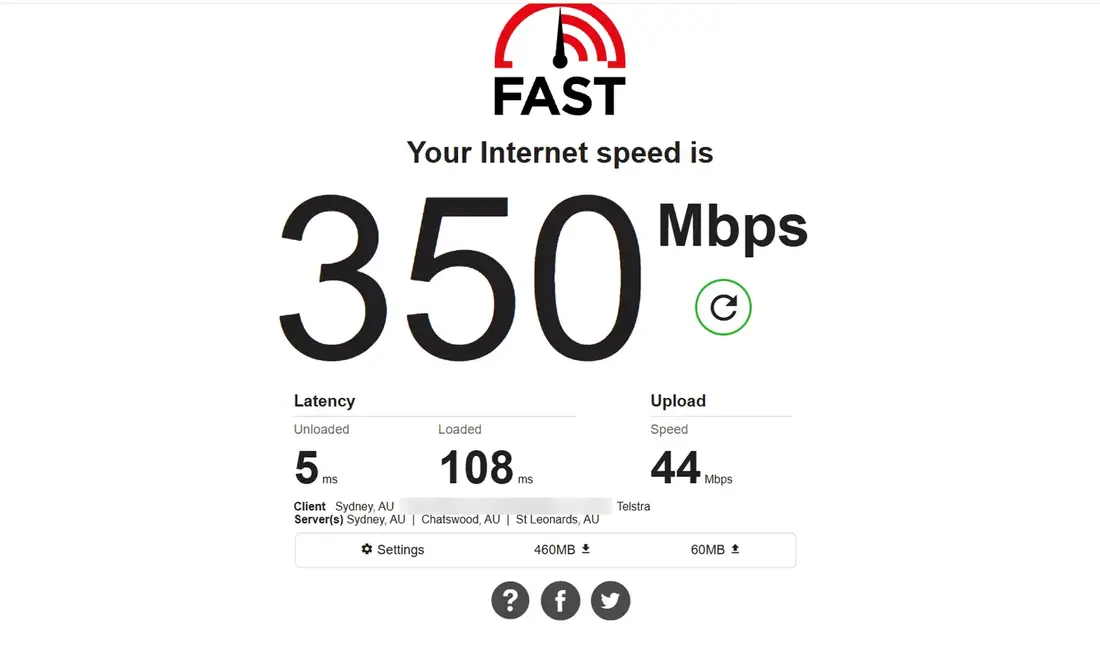
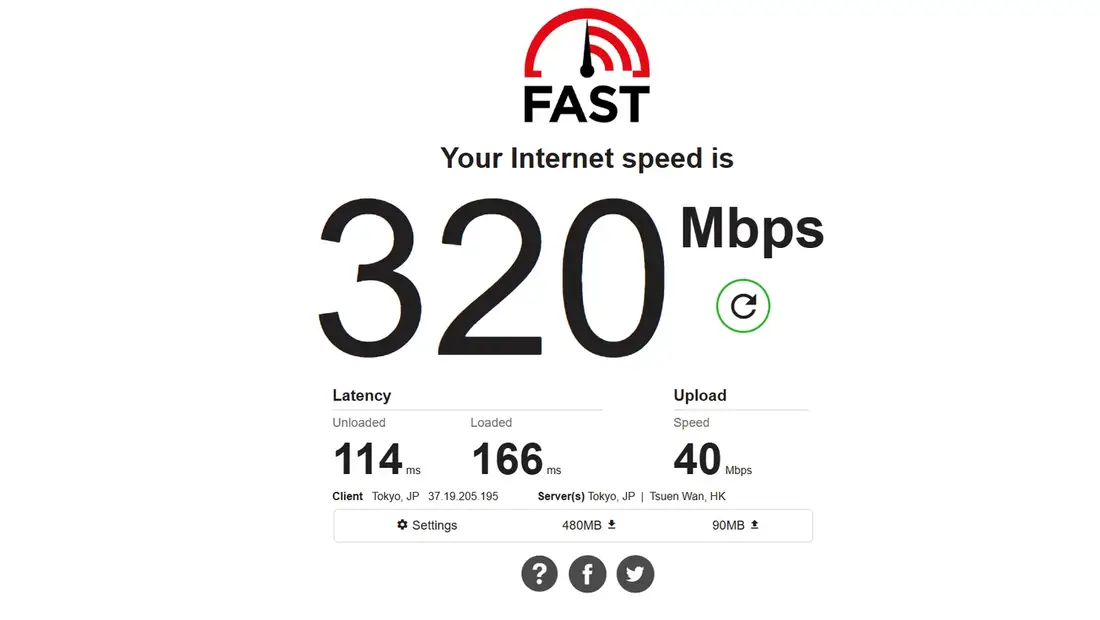
On the free plan we kept 320 of our 350 Mbps on a server in Japan (see our test below). That’s plenty for HD video and big downloads, though the added latency on a distant server matters more for gaming.
Torrenting & P2P
Proton VPN supports P2P traffic on specific optimized servers. Not every server allows it, but there’s no shortage of ones that do.
Free Plan & Pricing
The free version, Proton VPN Free, gives you 1 device connection, 10 server locations, and no data cap. VPN Plus (the paid tier) costs $9.99/month billed monthly, $3.99/month on the 1-year plan, or $2.99/month on the 2-year plan, and includes 10 simultaneous connections plus access to the full 20,400+ server network across 148 countries.
That free tier is one of the better arguments for trying Proton VPN at all. Most free VPNs cap your data or throttle you into uselessness — this one doesn’t. Unlimited data, a clear no-logs policy, decent security. The catch is fewer server countries to pick from, and paid users get speed priority over you.
Paying for the VPN Plus plan runs $9.99/month billed monthly, $3.99/month on the 1-year plan, or $2.99/month on the 2-year plan, and unlocks all servers, maximum speeds, advanced features (Secure Core, NetShield, Tor over VPN), P2P support, and up to 10 simultaneous connections. There’s a 30-day money-back guarantee, though it’s calculated on a pro-rata basis rather than a flat refund.
Any Downsides?
- Slightly Higher Price: Paid plans can run more than some competitors.
- Support: Leans on email and tickets more than 24/7 live chat, though it’s been getting better.
- Server Network Size: 20,400+ servers across 148 countries — a larger country count than CyberGhost or PIA.
- China Performance: Hit-or-miss, Stealth protocol or not.
Setting Up Proton VPN: What to Expect
You’ll find apps for Windows, macOS, Linux, iOS, and Android, with a clean interface that surfaces recommended servers up top and a full country list underneath if you’d rather pick manually. Since Proton also makes Proton Mail and Proton Drive, the VPN app looks and feels like the rest of that ecosystem — a small thing, but a nice touch if you’re already on one Proton account for everything. The kill switch is on every plan, including Free, while split tunneling needs VPN Plus. The Stealth protocol is there specifically for restrictive networks that try to block VPN traffic outright.
The Free Plan: How It Works
Most “free VPN” offers are a bit of a bait-and-switch — capped data, throttled speed, take your pick. Proton’s free plan skips that trap. The trade-off is fewer server locations, not a bandwidth ceiling. In our test the app chose a Japan server for us, and picking a specific country opened an upgrade prompt. That makes it a useful way to test real performance on your own connection before you pay for anything, and it’s one of maybe two or three free tiers we’d point someone toward instead of steering them away from.
Our Hands-On Test
✓ Hands-on tested in Sydney · 9 October 2026 (free plan)
We tested Proton VPN’s free plan ourselves on 9 October 2026, on a Windows 11 laptop on a home connection in Sydney. Sign-up didn’t ask for a card. Everything below comes from that session, with screenshots.
How we tested Proton VPN
- Date: 9 October 2026
- Location: Sydney, Australia (home connection)
- Device: Windows 11 laptop, Proton VPN app, Proton WireGuard (UDP) protocol
- Plan: Proton VPN Free
- Server: picked by the app: Japan (JP-FREE#2)
- Tools: fast.com for speed; ipleak.net and dnsleaktest.com for IP, IPv6, DNS and WebRTC leaks
| Test | Result (9 October 2026) |
|---|---|
| Download speed, VPN off | 350 Mbps |
| Download speed, free Japan server | 320 Mbps (about 9% lower) |
| Upload speed, off / on | 44 / 40 Mbps |
| Latency, off / on | 5 ms / 114 ms (the Sydney to Tokyo distance) |
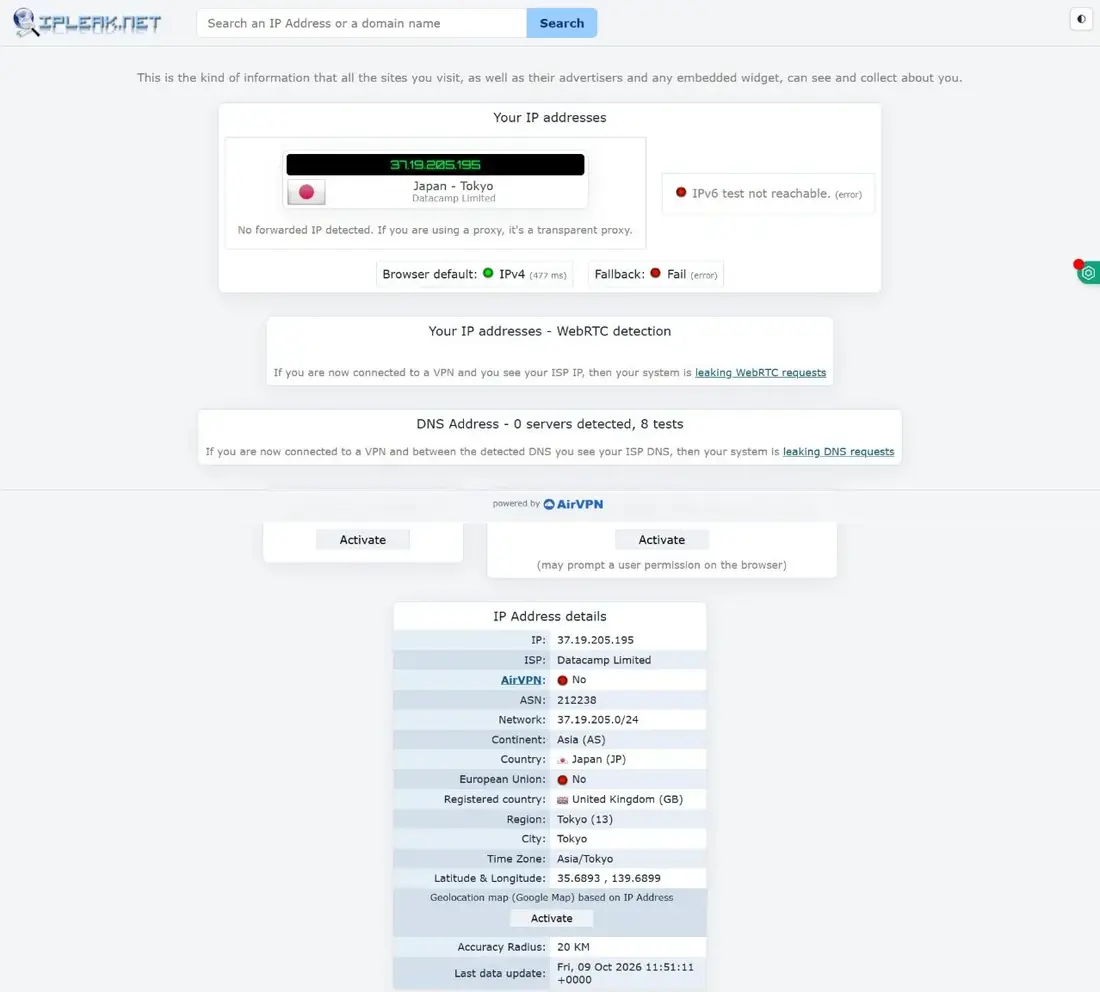
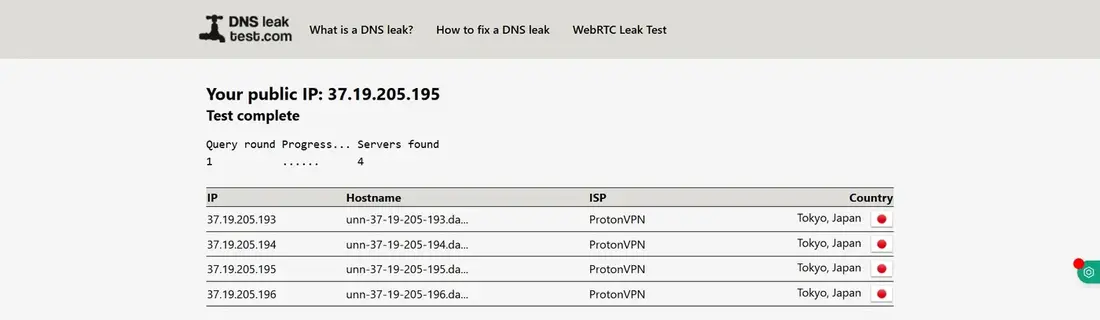
| IP, DNS and WebRTC leaks | None. DNS showed only Proton servers in Tokyo |
| IPv6 | Blocked while connected, so our real IPv6 address didn’t show |
| Kill switch on Free | Yes (Standard and Advanced modes) |
| Not on Free | Choosing a country, NetShield, split tunneling (each opened an upgrade screen) |
| Not tested | VPN Plus, streaming, torrenting, phones |
Speed: With the VPN off, fast.com gave us 350 Mbps down and 44 Mbps up. Connected to the free Japan server, we got 320 down and 40 up, so about 91% of our download speed survived the trip to Tokyo and back. Latency rose from 5 ms to 114 ms. That’s the distance, not a fault, and it matters more for gaming and video calls than for browsing or watching video. The free server showed 78% to 84% load while we tested, so expect speeds to vary at busy times.
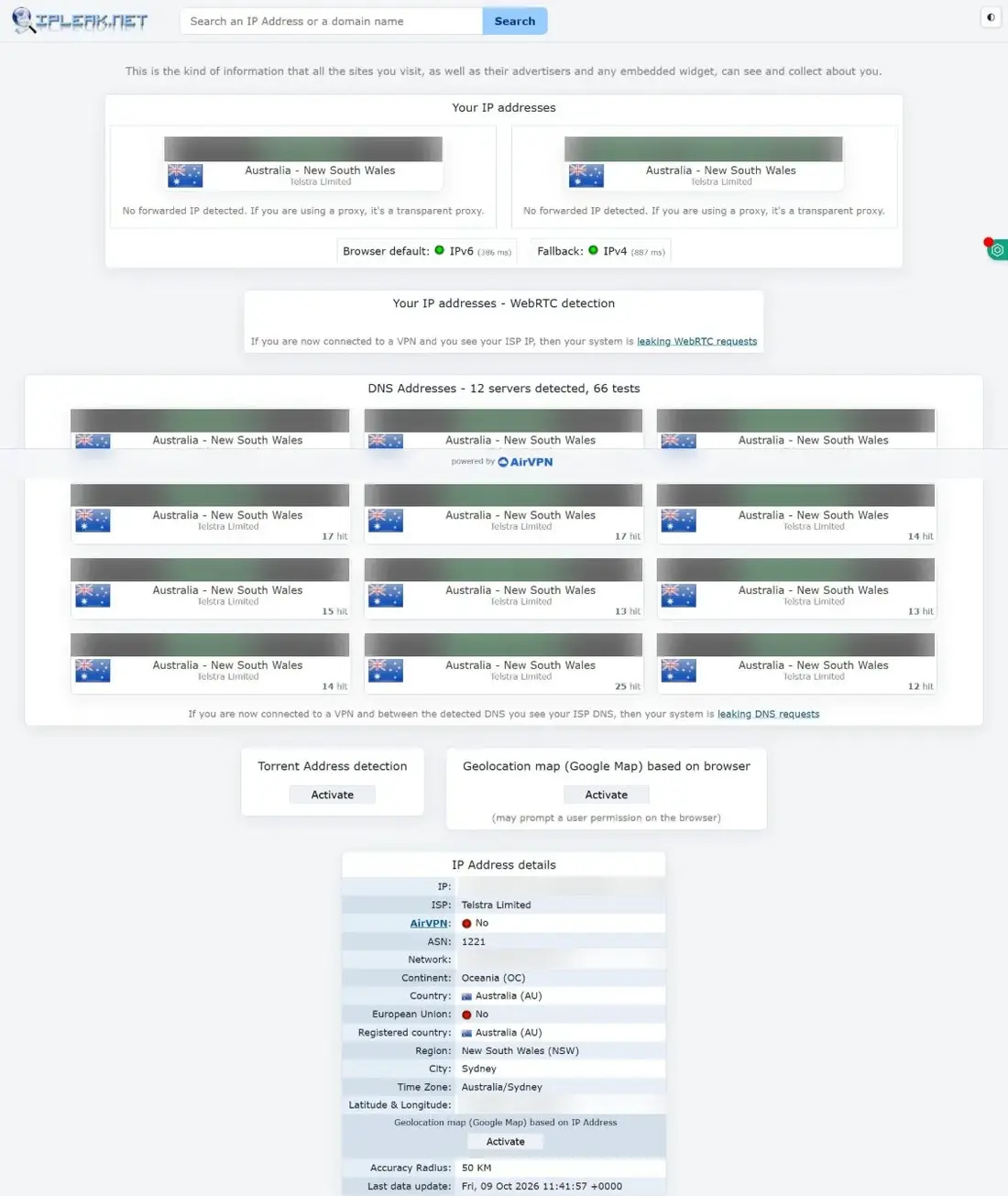
Leak test: Before connecting, ipleak.net showed our internet provider’s IPv4 and IPv6 addresses and 12 of its DNS servers (blurred below). Connected, it showed only a Proton IP in Tokyo. IPv6 was blocked instead of leaking, and the WebRTC check found nothing. ipleak’s DNS check came back empty, so we confirmed with dnsleaktest.com: all four DNS servers were Proton VPN’s, in Tokyo. No leaks.
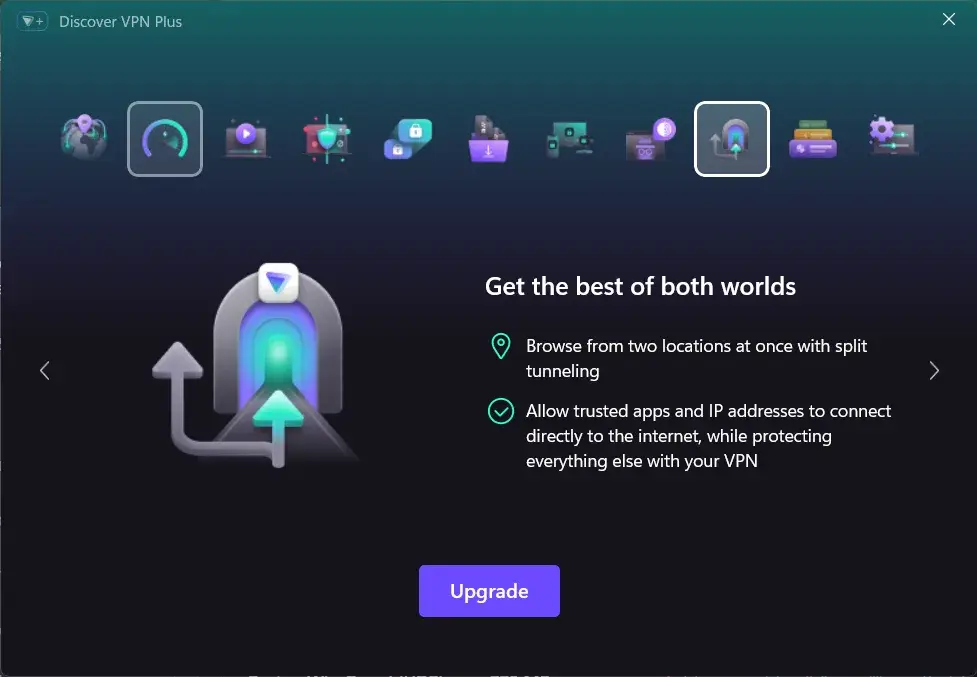
What the free plan gives you: The free app doesn’t let you choose a location. It connects you to its “fastest free server” from a small pool of countries, and it picked Japan for us. Clicking a country, such as the United States, opened an upgrade prompt. The kill switch is included on Free, with a Standard mode and an Advanced mode that blocks all traffic unless you’re connected. NetShield and split tunneling are VPN Plus features: on the free plan, both opened an upgrade screen.
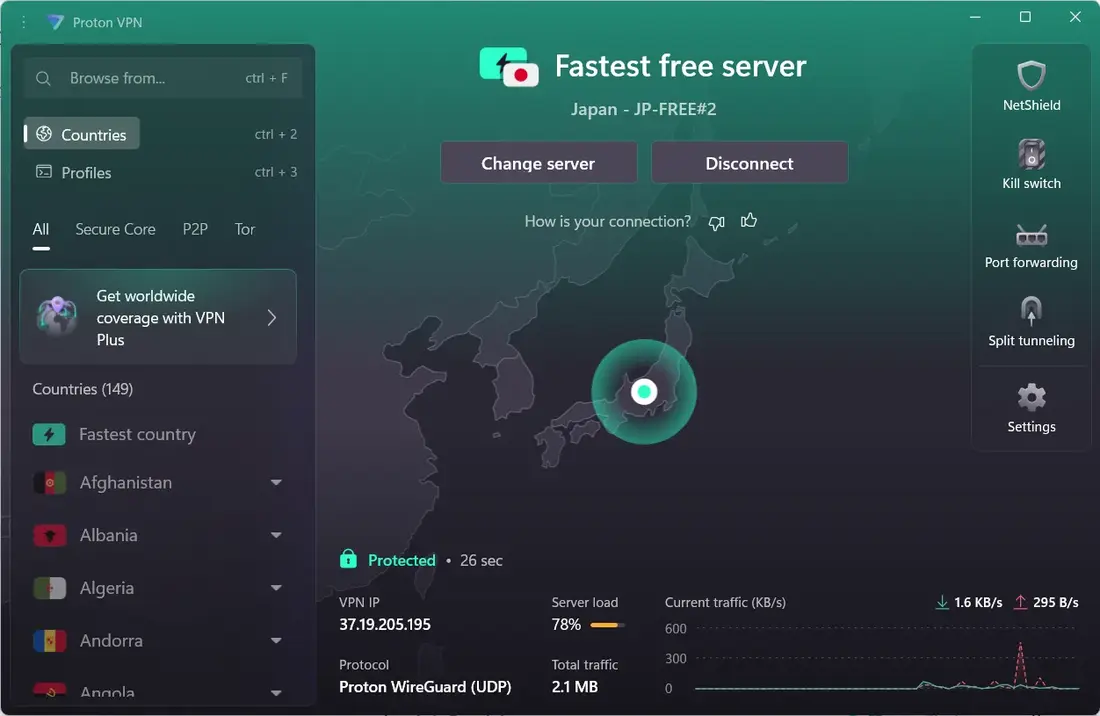
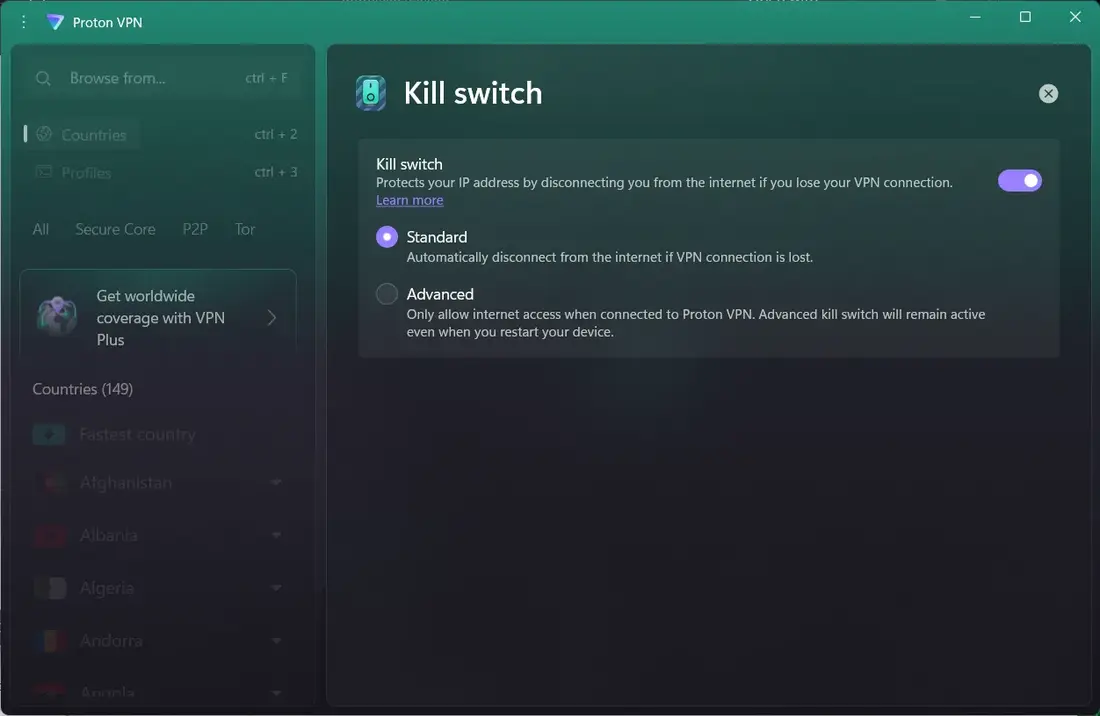
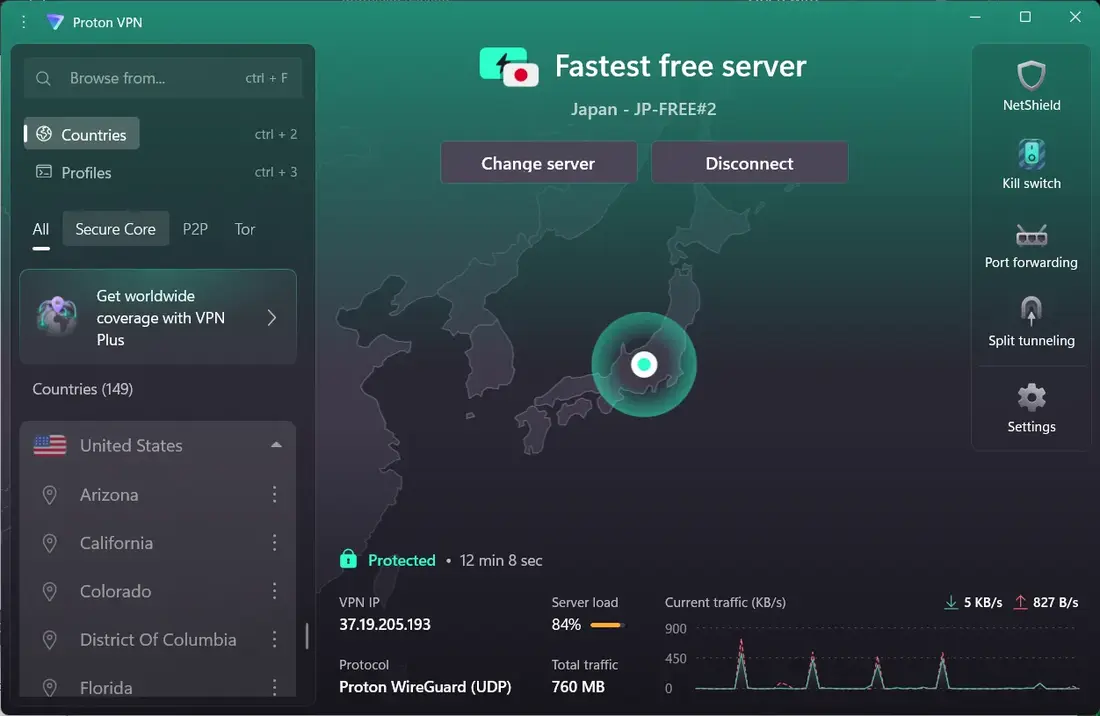
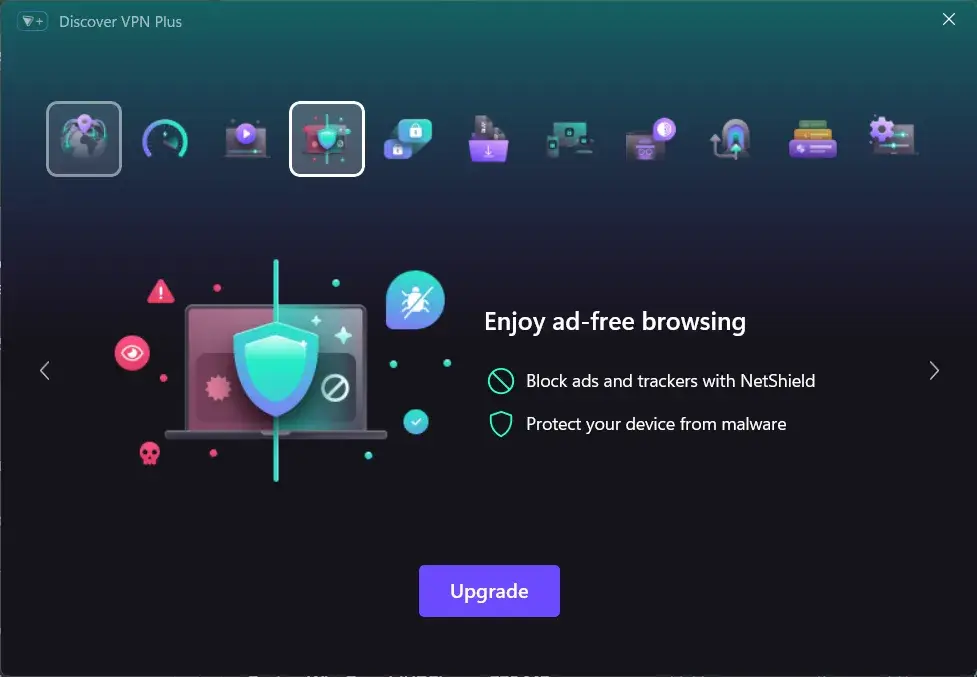
Bottom line: on the free plan, Proton VPN kept about 91% of our download speed on a server in Japan, leaked nothing, and includes a kill switch. The trade-off is control: you can’t pick the server, and the ad blocker and split tunneling cost extra.
Torrenting
We haven’t tested torrenting. P2P is allowed on dedicated servers on VPN Plus, and torrenters get some extra reassurance from the audited no-logs policy and Switzerland’s privacy law.
Who Proton VPN Is Best For
At $2.99/month on the 2-year plan, Proton VPN suits privacy-conscious users who want a strong privacy record without paying ExpressVPN-level prices. And because the free plan is usable, it’s a low-risk way to try a real VPN before committing to anything paid — this one or otherwise.
Where it’s less of a fit: users who lean heavily on 24/7 live chat support, since Proton relies more on email and ticket-based support than some rivals. Its server network — 20,400+ servers in 148 countries, now one of the larger networks among reviewed providers — still trails PIA’s especially large count. Rarely a practical issue, but worth knowing if raw server count matters to you.
How Proton VPN Compares
The sharpest contrast is with Mullvad, which takes the opposite route to the same goal — no email, no name, no account to subpoena. We put the two side by side in Proton VPN vs. Mullvad.
Proton VPN’s 9.0/10 rating puts it right alongside CyberGhost near the top of our mid-priced tier, at a lower price than ExpressVPN. Its Switzerland base and verified no-logs policy put it in the same conversation as Mullvad‘s privacy-first approach, though Proton’s apps are noticeably friendlier for beginners. Compare the full numbers on our VPN comparison table.
Proton VPN FAQ
Is Proton VPN’s free plan free?
Yes, and there’s no data cap. In our test from Sydney it kept about 91% of our download speed on a free server in Japan. The catch: the app picks the server for you, and NetShield and split tunneling need VPN Plus.
Does Proton VPN keep logs?
No. The no-logs policy has been independently verified, and Switzerland’s privacy laws back that up with real legal protection, not just a policy on paper.
Can I use Proton VPN in China?
Not reliably. It’s not one of the VPNs we’ve confirmed works consistently in China — even with the Stealth protocol, which is built for exactly this kind of restrictive network, our research turned up hit-or-miss results. If China access is your main need, check our dedicated China-focused VPN guide.
What protocol does Proton VPN use?
WireGuard by default. There’s also a proprietary Stealth protocol for getting past VPN blocking specifically.
Does Proton VPN have good customer support?
It’s decent and improving, but don’t expect 24/7 live chat — it leans on email and ticket-based responses. Worth knowing if you want instant answers rather than working through things yourself.
Does Proton VPN support multiple devices?
Paid plans allow multiple simultaneous connections. And since one Proton account also covers Proton Mail and Proton Drive if you use those, it can end up being one privacy subscription doing several jobs instead of just another VPN bill.
The Verdict: Who Should Use Proton VPN?
If security, privacy, and transparency are what you care about, Proton VPN is hard to argue with. Its Swiss base, open-source apps, audited policies, and features like Secure Core make it a strong pick for the security-conscious. That excellent free plan doesn’t hurt either.
We highly recommend Proton VPN for:
- Privacy advocates and security-focused users.
- Users wanting a trustworthy free VPN option (understanding its limitations).
- Individuals looking for reliable core VPN functionality.
- Users who appreciate open-source software.
Support has historically been slower than the live-chat crowd. Even so, Proton VPN offers a compelling, highly secure service, making it a strong contender in the premium VPN space.