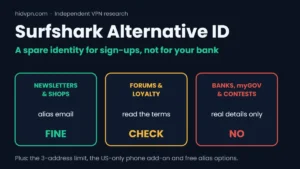

Surfshark Alternative ID: What It Hides and What It Doesn’t
Surfshark Alternative ID gives you a spare name and email for sign-ups. How it works, the three-address limit, the US-only phone number, and when a free alias does the job.
Surfshark Alternative ID gives you a spare name and email for sign-ups. How it works, the three-address limit, the US-only phone number, and when a free alias does the job.
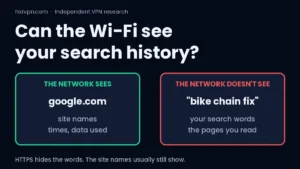
The Wi-Fi owner can usually see which sites a device visits, not what you search. Where your search history really lives, what router apps show, what Australian ISPs keep, and what encrypted DNS, ECH and a VPN change.

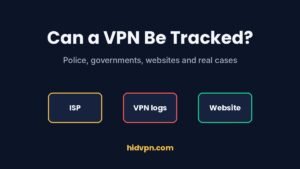
Your ISP can usually tell you use a VPN, but not what you do through it. Whether activity can be traced back to you mostly depends on the VPN company’s logs, as real court cases show.

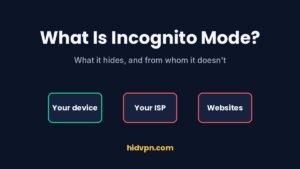
Incognito mode clears your history and cookies on your device. It doesn’t hide you from websites, your internet provider or your network owner. What each browser’s private mode does, and when to use a VPN instead.

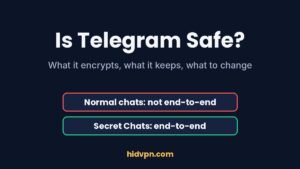
Is Telegram safe? Normal chats and groups aren’t end-to-end encrypted; only Secret Chats and calls are. What Telegram stores, when it shares data, the scams to watch for and seven settings to change.

Introduction: What Your ISP Sees—and What Changes With a VPN What can your ISP see? 7 Essential Answers for 2026Most people assume incognito mode or HTTPS already hides their activity from their inter…

Does a VPN Protect Your Privacy? 7 Essential Facts Does a VPN protect your privacy? Partially. A virtual private network changes who can see parts of your internet traffic, but it doesn’t make every o…

Is public wifi really unsafe, or is that just fearmongering? The warnings you hear about coffee shop, airport, and hotel

What does “no-logs” mean? It’s a claim, not a promise. What a VPN no-logs policy really covers, what providers may still store, and how to judge whether a claim holds up.

We cut the connection on purpose four times with NordVPN running on a Windows 11 laptop in Sydney, twice with